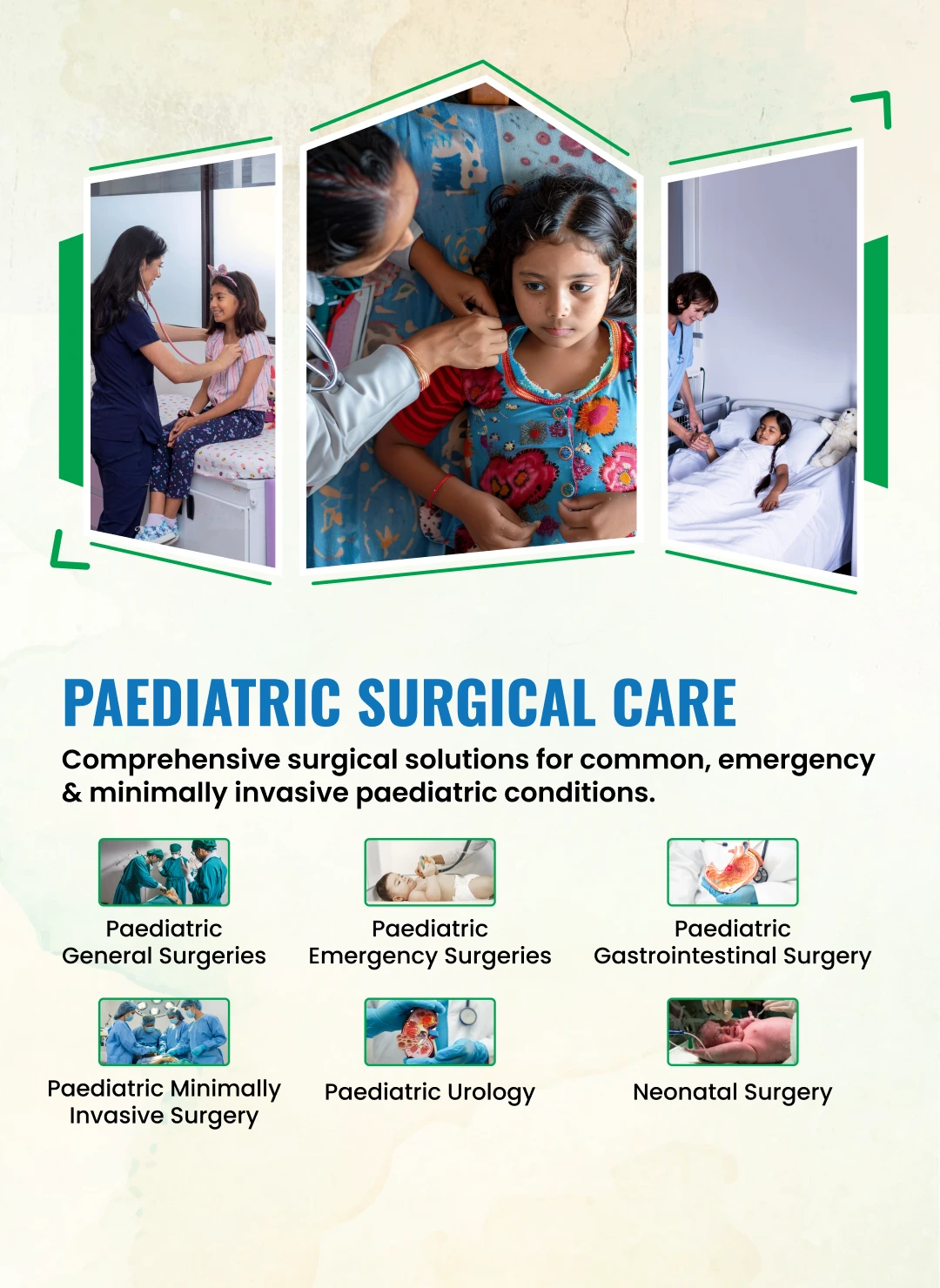
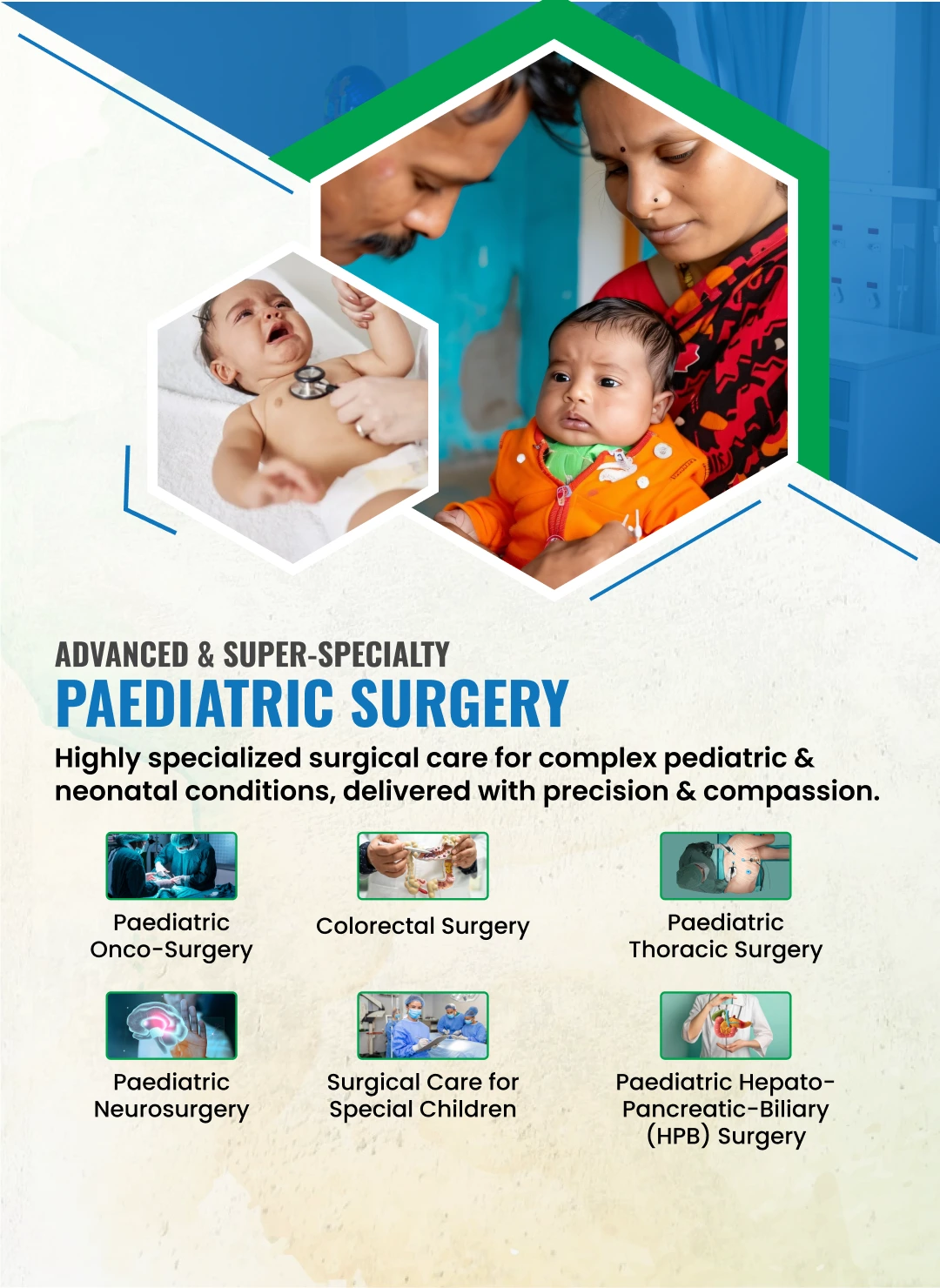
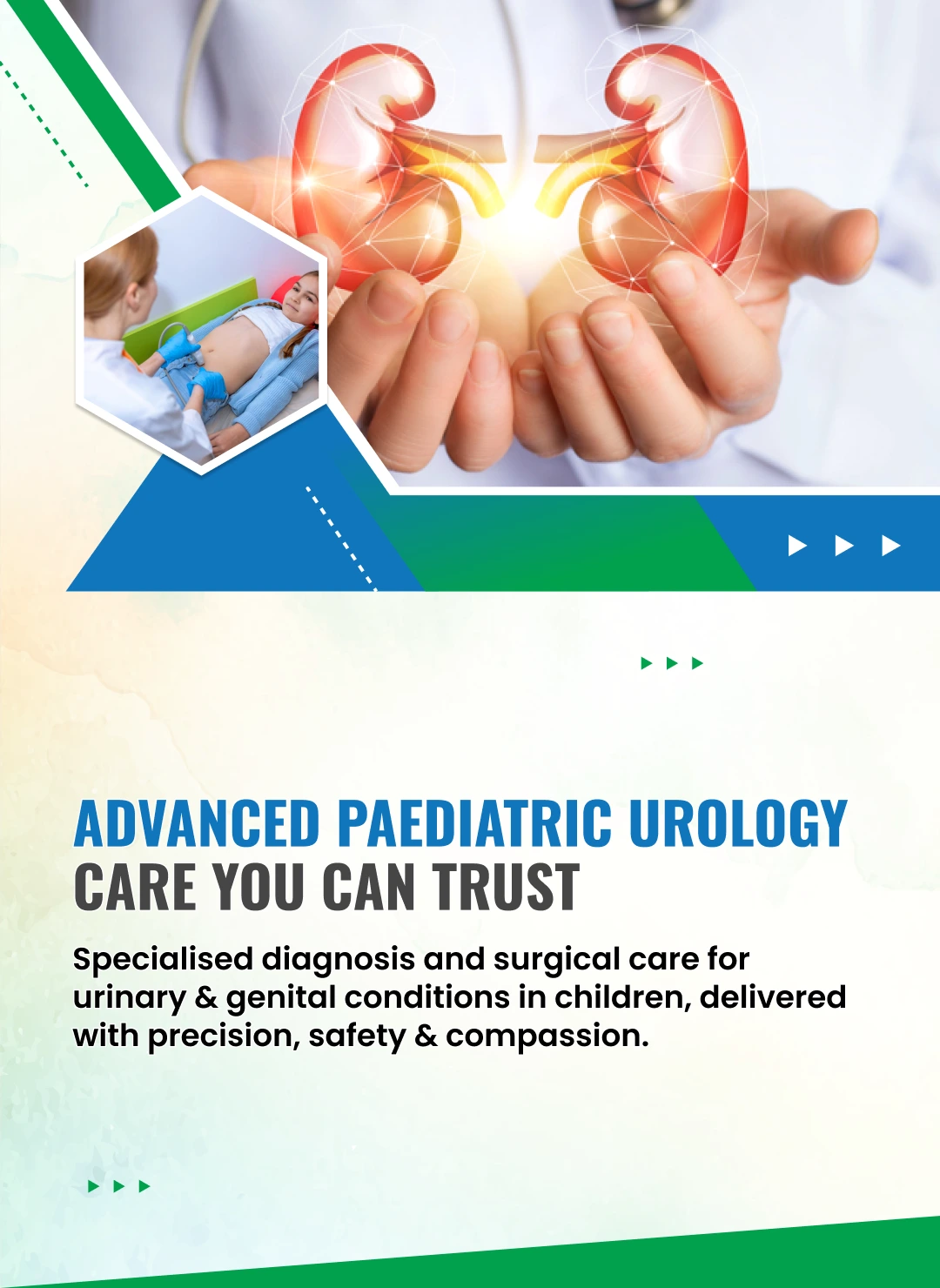
Pediatric surgeon in Bangalore

Meet Our Lead Pediatric Surgeon in Bangalore

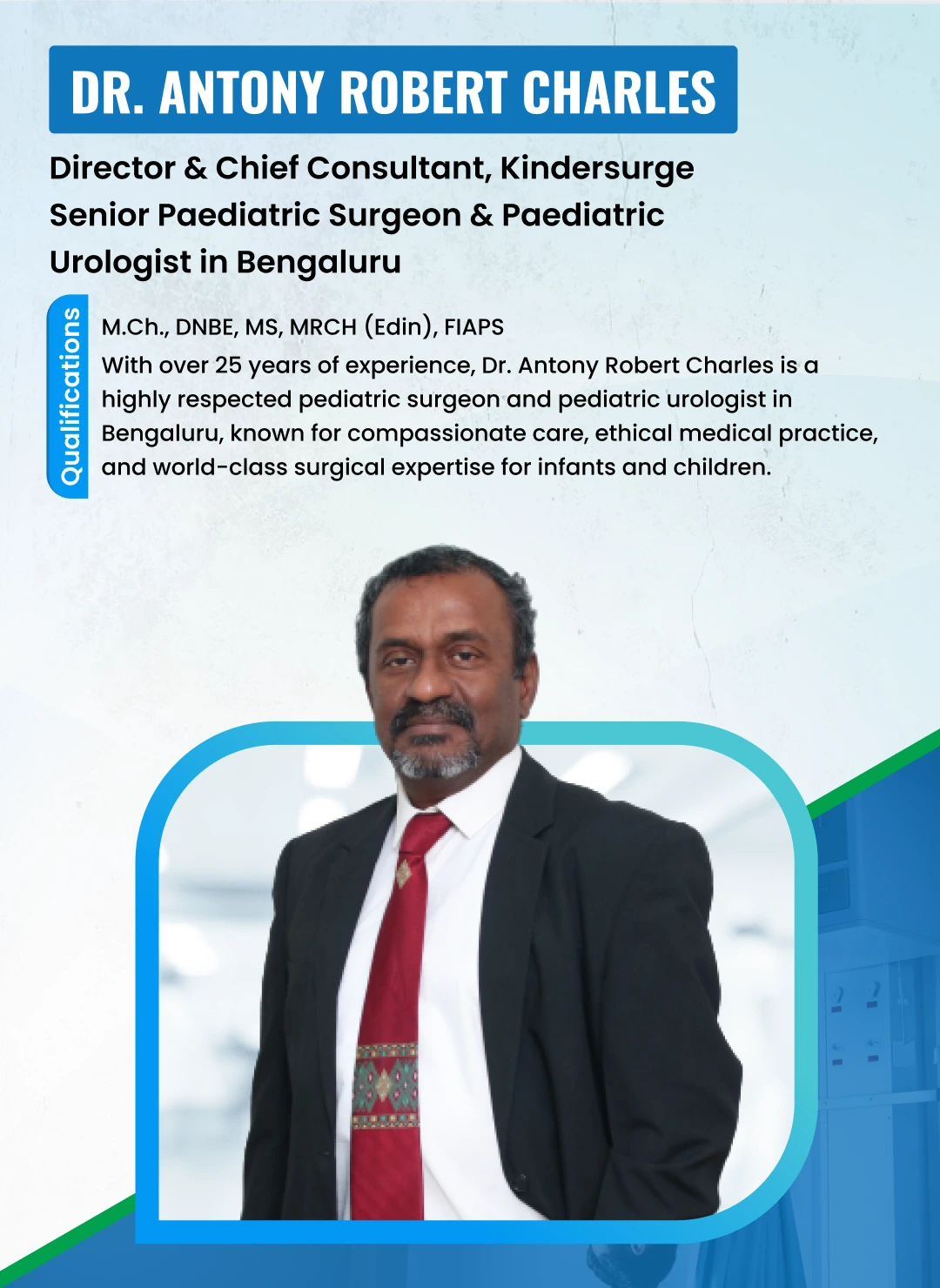
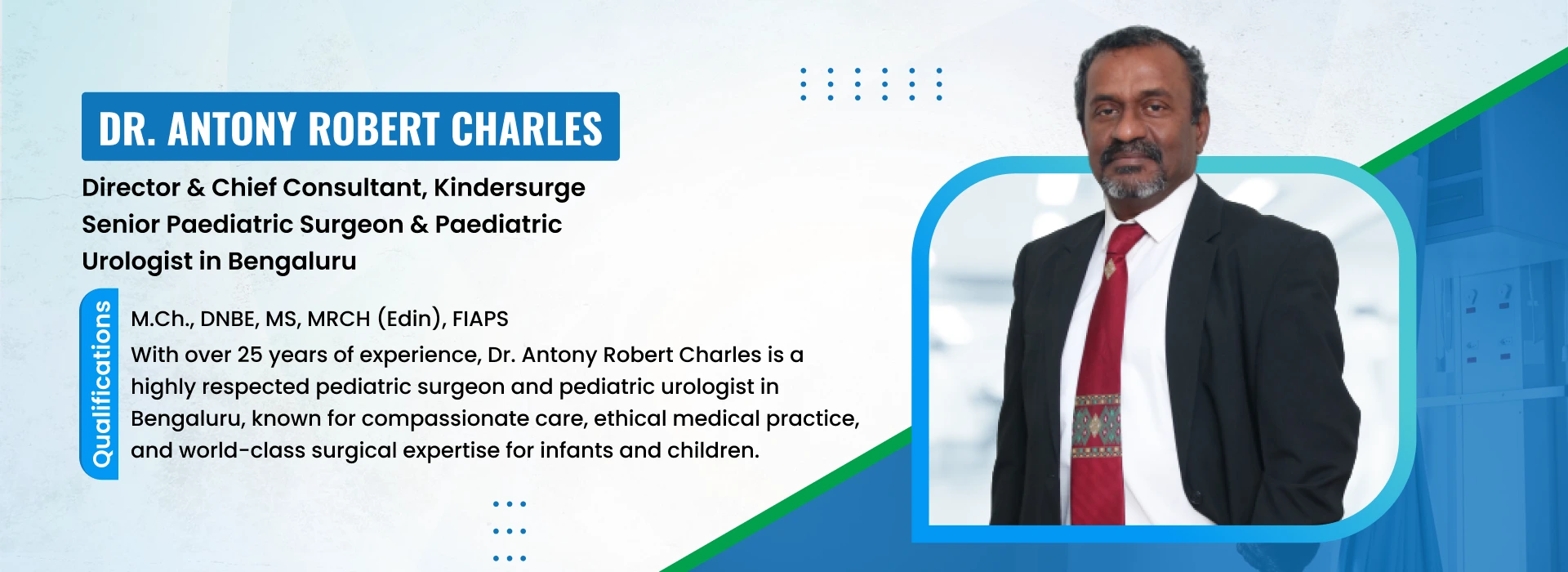
Dr. Antony Robert Charles

Director & Chief Consultant, Pediatric Surgery
Pediatric surgeon in Bangalore
Director & Chief Consultant, Pediatric Surgery

Dr. Antony Robert Charles is the Director & Chief Consultant at KinderSurge, Bengaluru, and a highly respected pediatric surgeon and pediatric urologist with over 25 years of experience. He specialises in pediatric laparoscopy, urological reconstructive surgeries, and neonatal surgical emergencies, delivering advanced, child-focused surgical care.

Internationally trained and deeply committed to ethical medical practice, Dr. Robert is known for combining clinical excellence with compassion. Beyond surgery, he is a TEDx speaker, medical ethicist, and the founder of the ChildFirst Foundation, working to ensure humane, ethical, and world-class healthcare for children.

Dr. Antony Robert Charles – Experienced Best Pediatric Surgeon in Bangalore providing expert surgical care for newborns, children, and adolescents with a compassionate, child-focused approach.

+
Years of Experience
+
Successful Surgeries
+
Children Treated
Languages Spoken
+
Years of Experience
+
Successful Surgeries
+
Children Treated
Languages Spoken

Neonatal Intestinal Obstruction in Newborns: Emergency Treatment in Bangalore

If your newborn is vomiting green fluid, has a swollen belly, or has not passed a stool within 48 hours of birth — this is a medical emergency. Contact Dr. Antony Robert Charles immediately.

What Is Neonatal Intestinal Obstruction?

Neonatal intestinal obstruction is a condition where a newborn’s intestine is partially or completely blocked, preventing normal digestion and passage of stool. It is one of the most serious surgical emergencies in newborns and requires prompt expert care. Common signs include bilious (green or yellow) vomiting, a distended or swollen abdomen, and failure to pass the first stool (meconium) within 24 to 48 hours of birth. Most causes are congenital — meaning the baby is born with them — and the majority are successfully treated with neonatal surgery when diagnosed early.

If you are in Bangalore — including areas like Whitefield, Marathahalli, Koramangala, Hebbal, or Sarjapur Road — Dr. Antony Robert Charles, a specialist in pediatric and neonatal surgery, provides expert emergency surgical care for newborns with intestinal obstruction.

What Causes Intestinal Obstruction in Newborns?

Intestinal obstruction in newborns is almost always congenital — it develops while the baby is growing in the womb. The most common causes include:

Duodenal Atresia

The first part of the small intestine (duodenum) does not form properly, creating a complete blockage. It is associated with Down syndrome in some cases. On X-ray, it shows the classic “double bubble” sign.

Jejuno-Ileal Atresia

A segment of the small intestine (jejunum or ileum) is absent or severely narrowed, blocking the passage of digested food.

Hirschsprung’s Disease

Nerve cells are missing from a section of the large intestine (colon), causing it to remain contracted and unable to move stool forward. It commonly presents as delayed passage of meconium and progressive abdominal distension.

Malrotation and Volvulus

During fetal development, the intestine fails to rotate correctly. This can lead to the bowel twisting (volvulus), which cuts off blood supply — a life-threatening emergency requiring urgent surgery within hours.

Meconium Ileus

The first stool (meconium) becomes abnormally thick and plugs the lower intestine. It is often associated with cystic fibrosis and requires prompt treatment.

Imperforate Anus (Anorectal Malformation)

The anal opening does not form properly, preventing stool from passing. It is usually identified at birth during routine examination.

Colonic Atresia

A rare condition where part of the large intestine (colon) is missing or blocked.

Emergency Warning Signs — Act Immediately

Take your newborn to emergency care RIGHT AWAY if you notice:

  • 🟢 Green or yellow (bilious) vomiting — never normal in a newborn
  • 🫁 Swollen, hard, or distended abdomen
  • No stool (meconium) passed within 48 hours of birth
  • 🍼 Refusal to feed or inability to keep any milk down
  • 😫 Baby appears in pain — continuous crying, pulling legs up
  • 🩸 Blood in vomit or stool
  • 🌡️ Fever combined with abdominal swelling
  • 💤 Unusual lethargy or limpness

Do not wait and watch. Do not try home remedies. Bilious vomiting in a newborn is an emergency until proven otherwise.

Symptoms of Intestinal Obstruction in Newborns

As a parent, noticing something wrong with your newborn is terrifying — and your instincts matter. Here are the symptoms to watch for, explained simply:

Bilious (Green) Vomiting

Green or yellow vomiting in a newborn means bile is present — a sign that the intestine may be blocked below the stomach. This is never a normal finding in a newborn and always needs urgent medical evaluation.

Abdominal Distension (Swollen Belly)

If your baby’s belly looks unusually large, round, tight, or shiny, this can indicate a buildup of gas or fluid from a blocked intestine. The higher the blockage, the less visible the swelling; a very swollen belly often suggests a lower intestinal blockage.

Failure to Pass Meconium

Healthy newborns pass their first dark, sticky stool (meconium) within 24–48 hours of birth. If your baby has not passed stool by 48 hours, this is a warning sign of possible obstruction, especially Hirschsprung’s disease or anorectal malformations.

Feeding Intolerance

A newborn with an obstructed bowel cannot properly digest milk. If your baby vomits after every feed, cannot keep milk down, or refuses to feed entirely, seek medical help immediately.

Respiratory Distress

In severe cases where the abdomen is very swollen, the pressure can push against the lungs, making it hard for your baby to breathe. This is a critical emergency.

How Is Neonatal Intestinal Obstruction Diagnosed?

  • Early and accurate diagnosis is critical. Dr. Antony Robert Charles uses a combination of clinical examination and targeted investigations to identify the exact cause of obstruction quickly.

    Clinical Examination

    Careful assessment of your baby’s abdomen, feeding history, vomiting characteristics, and whether meconium has been passed provides important initial clues.

    Abdominal X-Ray

    A plain X-ray of the abdomen can reveal gas patterns, fluid levels, and the level of obstruction. The classic “double bubble” sign of duodenal atresia and “triple bubble” signs of jejunal atresia are often identified here.

    Ultrasound

    An abdominal ultrasound is safe, radiation-free, and helpful for identifying malrotation, volvulus, and abdominal masses in newborns.

    Contrast Studies (Enema or Upper GI)

    A contrast enema uses a safe dye to outline the colon and identify Hirschsprung’s disease, meconium ileus, or colonic atresia. An upper GI contrast study traces the path of food through the stomach and intestine to locate the blockage.

    Echocardiogram

    Since some intestinal conditions (like duodenal atresia) are associated with heart conditions, an echocardiogram may be performed to evaluate the heart before surgery.

    Genetic Testing

    If Down syndrome or cystic fibrosis is suspected, targeted genetic testing may be recommended.

Treatment of Neonatal Intestinal Obstruction in Bangalore

Most causes of neonatal intestinal obstruction require surgery. The good news is that with expert neonatal surgical care, the majority of these conditions are correctable, and babies go on to live full, healthy lives.

Immediate Stabilisation (Before Surgery)

Before surgery, your baby will be stabilised in the neonatal intensive care unit (NICU). This involves:
  • Stopping all feeds (nil by mouth)
  • Passing a nasogastric (NG) tube to drain the stomach and prevent vomiting
  • IV fluids and electrolyte correction
  • Antibiotics to prevent infection
  • Monitoring oxygen levels and vital signs

Surgical Treatment Options

Primary Anastomosis (Joining the Bowel) In duodenal atresia, jejuno-ileal atresia, and colonic atresia, the blocked segment is removed and the healthy ends of the intestine are joined together (anastomosis). This is often performed as a single-stage procedure. Ladd’s Procedure (for Malrotation) If malrotation with volvulus is identified, urgent surgery to untwist the bowel and reposition the intestine is performed. Time is critical here — the longer the bowel is twisted, the greater the risk of permanent damage. Pull-Through Surgery (for Hirschsprung’s Disease) The affected segment of aganglionic bowel is removed, and the normal intestine is connected to the rectum. In some cases, a temporary stoma (colostomy) is created first, with the pull-through performed later. Stoma Formation In some complex cases, a temporary stoma (an opening on the abdomen through which stool passes into a bag) may be created as a first step, allowing the bowel to heal before a reconstructive procedure. Minimally Invasive (Laparoscopic) Surgery Where appropriate, Dr. Antony Robert Charles performs minimally invasive neonatal surgery with smaller incisions, reduced pain, faster recovery, and better cosmetic outcomes.

Recovery After Neonatal Intestinal Obstruction Surgery

Recovery varies depending on the type and severity of the obstruction, but here is what parents can typically expect:

In the NICU / Hospital

  • Your baby will be cared for in the NICU after surgery
  • Feeding begins slowly — first with IV nutrition (TPN), then gradually with breast milk or formula through a feeding tube, then orally
  • Hospital stay typically ranges from 1–4 weeks depending on the condition
  • Wound care, stoma care (if applicable), and pain management are provided by a specialist team

Going Home

  • Most babies go home once they are feeding well and gaining weight
  • Parents are taught stoma care before discharge if a stoma has been created
  • Follow-up visits are scheduled to monitor growth and bowel function

Long-Term Outlook

Most children treated for neonatal intestinal obstruction grow up with normal bowel function. Some conditions (like Hirschsprung’s disease) require longer-term follow-up and occasional further intervention. Dr. Antony Robert Charles provides comprehensive long-term follow-up care for every child.

📞 Book a Consultation with Dr. Antony Robert Charles — Pediatric Urologist, Bangalore

Your child’s urinary health cannot wait. Neither should you. Whether you’re in Whitefield, Koramangala, Marathahalli, Hebbal, or Sarjapur Road — expert, compassionate pediatric urology care is available for your family.

What to Expect at Your First Visit:

✔ Thorough history and physical examination ✔ Clear explanation of your child’s condition in simple language ✔ A personalized investigation and treatment plan ✔ Honest, evidence-based advice — no unnecessary procedures ✔ Time for all your questions to be answered

📅 Appointment Options:

  • In-Person Consultation — Bangalore clinic (address on contact page)
  • Teleconsultation — Available for initial queries and follow-ups
Emergency Contact — For urgent urological concerns

Neonatal Surgery Services for Families Across Bangalore

Parents across Bangalore trust Dr. Antony Robert Charles for expert neonatal surgical care. Whether you are based in:

  • Whitefield — Families in the Whitefield, ITPL, and Varthur Hobli areas can access specialist neonatal surgical consultations and emergency care without travelling across the city.
  • Marathahalli — Located close to major hospitals serving Marathahalli and Outer Ring Road, Dr. Antony Robert Charles is accessible when every minute counts.
  • Koramangala — Parents in Koramangala, BTM Layout, and HSR Layout benefit from proximity to specialist neonatal surgical care for their newborns.
  • Hebbal — Serving families from Hebbal, Sahakara Nagar, and Yelahanka with expert neonatal and pediatric surgical consultations.
  • Sarjapur Road — Families from Sarjapur Road, Bellandur, Carmelaram, and surrounding areas have access to dedicated neonatal surgical expertise.

No matter where you are in Bangalore, when your newborn needs emergency surgical care, expert help is available.

Frequently Asked Questions:

Q1: What does bilious vomiting in a newborn mean?

Bilious vomiting — green or yellow vomiting — in a newborn means that bile is being vomited up from the intestine. This is a medical emergency. It almost always indicates some form of intestinal obstruction and requires immediate evaluation by a specialist. Never ignore green vomiting in a newborn.

Q2: My newborn has not passed stool in 48 hours. What should I do?

If your newborn has not passed their first stool (meconium) within 48 hours of birth, you should consult a pediatric surgeon immediately. This can be a sign of Hirschsprung's disease, intestinal atresia, meconium ileus, or an anorectal malformation — all of which require prompt diagnosis and treatment.

Q3: Is intestinal obstruction in newborns life-threatening?

Yes, without prompt treatment it can be. Intestinal obstruction — particularly malrotation with volvulus — can cut off blood supply to the bowel within hours, causing life-threatening complications. However, when diagnosed and treated early by an experienced neonatal surgeon, most children recover fully.

Q4: Can intestinal obstruction in a newborn be detected before birth?

Some causes, such as duodenal atresia and some forms of jejuno-ileal atresia, can be suspected on prenatal ultrasound (seen as excess fluid around the baby, called polyhydramnios, or a dilated bowel loop). However, many cases are only diagnosed after birth. Prenatal suspicion allows for planned delivery at a centre with neonatal surgical expertise.

Q5: What is Hirschsprung's disease in a newborn?

Hirschsprung's disease is a congenital condition where nerve cells (ganglion cells) are absent from a section of the large intestine. This prevents the affected segment from relaxing and moving stool forward. It typically presents with delayed passage of meconium, abdominal distension, and vomiting. Treatment is surgical removal of the affected bowel (pull-through procedure).

Q6: How long does a newborn stay in hospital after intestinal obstruction surgery?

The hospital stay typically ranges from 1 to 4 weeks, depending on the type of obstruction, the surgery performed, and how quickly your baby tolerates feeding. Babies with shorter bowel segments or complex conditions may require longer stays for nutritional support.

Q7: Is there a neonatal surgeon available in Bangalore for emergencies?

Yes. Dr. Antony Robert Charles is an experienced pediatric and neonatal surgeon in Bangalore who manages neonatal intestinal obstruction and other neonatal surgical emergencies. Families from Whitefield, Marathahalli, Koramangala, Hebbal, and Sarjapur Road have access to expert neonatal surgical care.

Q8: What is the survival rate for neonatal intestinal obstruction?

With modern neonatal intensive care and expert surgical management, survival rates for most forms of neonatal intestinal obstruction exceed 90–95% in centres with specialist expertise. Outcomes are best when treatment begins early. Conditions like malrotation with volvulus carry higher risk if surgical intervention is delayed.

Q9: Can a newborn with intestinal obstruction breastfeed?

Initially, after surgery, your baby cannot be fed by mouth. Nutrition is provided through an IV line (total parenteral nutrition). As recovery progresses, breast milk is introduced first through a tube, then orally. Breastfeeding is strongly encouraged once your baby is ready — it supports gut healing and immune development.

Q10: What is the difference between duodenal atresia and jejunal atresia?

Both are types of small intestinal blockage present at birth. Duodenal atresia affects the first part of the small intestine (duodenum) and shows the "double bubble" sign on X-ray. Jejunal atresia affects a lower segment (jejunum or ileum) and typically causes more pronounced abdominal distension. Both require surgical correction.

Patient Education

Evidence-Based Insights for Parents

Pediatric Consultant

Dr. Antony Robert Charles Discusses Surgery in Children

Get more info

EMERGENCY CALL

Get a helpful insight

Read Out The Blogs

Health Tip

Little Tips for Big Health

Dr. Antony Robert Charles

4 Videos

Why Choose Dr. Antony Robert Charles for Neonatal Surgery in Bangalore?

When your newborn needs surgery, you deserve a surgeon who combines medical excellence with genuine compassion — someone who treats your child as their own.

Specialised Neonatal Surgical Expertise

Dr. Antony Robert Charles brings focused expertise in neonatal and pediatric surgery, with extensive experience managing complex conditions including intestinal atresia, Hirschsprung’s disease, malrotation and volvulus, meconium ileus, and anorectal malformations.

Emergency Availability

Neonatal surgical emergencies cannot wait for business hours. Dr. Antony Robert Charles is committed to prompt assessment and intervention when your newborn’s condition demands it.

Minimally Invasive Techniques

Where clinically appropriate, minimally invasive (laparoscopic) approaches are used — meaning smaller incisions, less pain, faster recovery, and better cosmetic outcomes for your child.

Multidisciplinary Team Care

Every baby is cared for by a team that includes neonatologists, paediatric anaesthesiologists, NICU nurses, and paediatric dietitians — ensuring complete, coordinated care from the first moment to full recovery.

Parent-Centred Communication

A sick newborn is overwhelming. Dr. Antony Robert Charles and his team ensure that parents are fully informed at every stage — what is happening, why, and what to expect. You are never left in the dark.

Comprehensive Follow-Up

Neonatal surgery is not the end of the journey. Dr. Antony Robert Charles provides long-term follow-up to monitor your child’s growth, nutrition, and bowel function — supporting your family well beyond discharge.