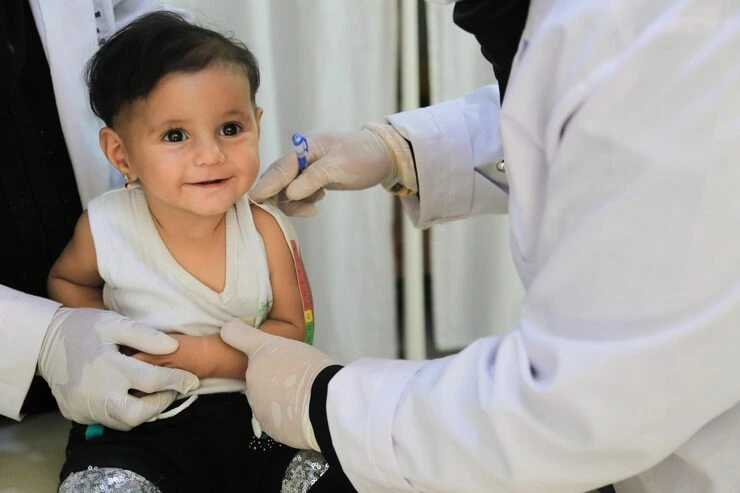
A sternocleidomastoid tumor, also known as fibromatosis colli, is a benign (non-cancerous) swelling that occurs in the neck muscle of infants. It affects the sternocleidomastoid muscle — the large muscle that runs along the side of the neck and helps with head movement. This condition is usually noticed within the first few weeks of life as a firm, painless lump in the baby’s neck.
Although the word “tumor” may sound concerning, this condition is not cancer. It is typically related to birth trauma or muscle injury during delivery and often improves with proper medical care and physiotherapy.
Evaluation and guidance are provided by Dr. Antony Robert Charles, an experienced pediatric surgeon with expertise in treating neck and soft tissue conditions in infants and children.
This condition usually develops due to minor muscle injury or pressure during a difficult or assisted delivery. The muscle becomes tight and swollen, forming a lump. Over time, this tightness can lead to a condition called torticollis, where the baby tilts the head to one side.
Parents might observe:
A firm lump on one side of the baby’s neck
Limited neck movement
Baby’s head tilted to one side
Preference to look in one direction
The swelling is usually not painful, and the baby typically feeds and behaves normally.
Diagnosis is usually based on physical examination and an ultrasound scan of the neck. Imaging helps confirm that the swelling is muscle-related and not another type of mass.
Dr. Antony Robert Charles ensures careful evaluation to rule out other causes of neck swelling and to guide proper management.
Most cases of sternocleidomastoid tumor improve without surgery. Treatment mainly includes:
Gentle physiotherapy exercises
Stretching techniques to improve neck movement
Positioning advice for parents during feeding and sleeping
With early intervention, the swelling gradually reduces, and neck movement improves over weeks to months.
Surgery is rarely required and is considered only in very persistent or severe cases that do not respond to physiotherapy.
Consult a pediatric specialist if your baby has:
A neck lump
Head tilt or restricted neck movement
Delayed improvement with exercises
Early evaluation helps ensure timely physiotherapy and prevents long-term stiffness.
With extensive experience in pediatric surgical conditions, Dr. Antony Robert Charles provides expert, reassuring care for infants with neck swellings. His child-centered approach ensures accurate diagnosis, appropriate therapy, and ongoing monitoring to support healthy growth and development.
Sternocleidomastoid tumor, commonly seen in infants, causes neck swelling and restricted movement. Early diagnosis and proper treatment are essential for effective recovery. At KinderSurge, Koramangala, expert pediatric care ensures safe, advanced, and child-friendly treatment with excellent outcomes.
If you notice any neck swelling or head tilt in your baby, early assessment can make a big difference.
Schedule an appointment with Dr. Antony Robert Charles for expert pediatric evaluation and care.
A sternocleidomastoid tumor is a benign swelling in a baby’s neck muscle that may cause stiffness or limited neck movement if not treated early.
This condition is usually caused by birth trauma or muscle injury, leading to thickening or fibrosis of the neck muscle.
No, it is generally not dangerous and can be effectively managed with early diagnosis, physiotherapy, and proper medical care.
Treatment includes physiotherapy, neck stretching exercises, and in rare cases, surgery if the condition does not improve.
If the swelling persists, increases in size, or restricts neck movement, it is important to consult a pediatric surgeon for proper evaluation.
Meet Dr. Antony Robert Charles, delivering safe, advanced, and child-focused surgical care with experience and dedication.

Book a consultation with our pediatric surgery team for safe, compassionate, and specialised surgical care tailored to your child’s needs.
Reach out to our pediatric surgery team for appointments, guidance, or any questions about your child’s health and treatment.