
Biliary Atresia Treatment in Children
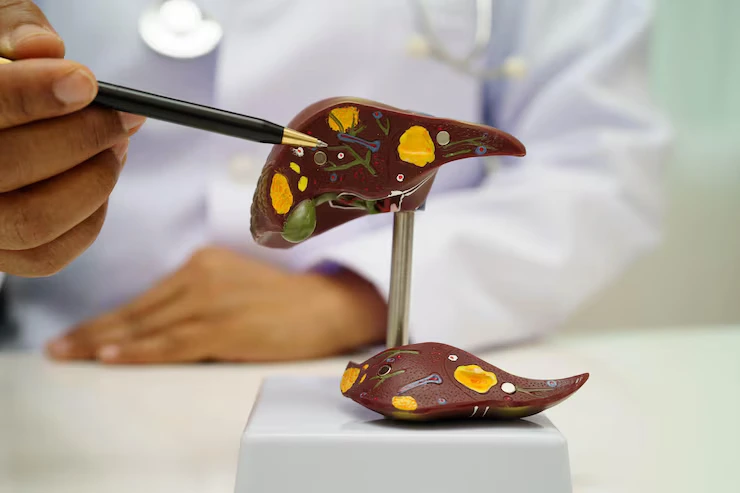
Early, Life-Saving Care for Newborn Liver Disease
Biliary atresia is a rare but serious condition seen in newborns where the bile ducts are blocked or absent. This prevents bile from draining from the liver into the intestine, leading to progressive liver damage if not treated early. Prompt diagnosis and timely surgical intervention are critical for preserving liver function and improving long-term outcomes.
Expert evaluation and surgical management are provided by Dr. Antony Robert Charles, a senior pediatric surgeon with experience in complex neonatal and hepatobiliary surgeries.
What Is Biliary Atresia?
Biliary atresia develops shortly after birth when bile ducts outside (and sometimes inside) the liver become inflamed and blocked. As bile accumulates in the liver, it causes scarring (cirrhosis) and progressive liver failure if untreated.
This condition is not present at birth in a visible form, which is why early recognition is essential.
Warning Signs Parents Should Watch For
Symptoms usually appear within the first few weeks of life and may include:
Persistent yellowing of the eyes and skin (jaundice beyond 2–3 weeks)
Pale or clay-colored stools
Dark urine
Enlarged liver or abdomen
Poor weight gain
Any infant with prolonged jaundice must be evaluated urgently.
How Is Biliary Atresia Diagnosed?
Diagnosis involves blood tests, ultrasound scans, specialized imaging, and sometimes a liver biopsy. Early diagnosis allows timely surgical planning and improves the chances of successful treatment.
Dr. Antony Robert Charles ensures rapid, accurate evaluation and coordination of care for newborns suspected of having biliary atresia.
Treatment: Kasai Portoenterostomy
The primary treatment for biliary atresia is a surgery called Kasai portoenterostomy, ideally performed within the first 6–8 weeks of life. This procedure creates a new pathway for bile to drain from the liver into the intestine.
Early surgery significantly improves bile flow, liver function, and long-term outcomes. In some cases, long-term monitoring or future liver transplantation may be required.
Recovery and Long-Term Care
After surgery, babies require close follow-up to monitor bile flow, liver health, nutrition, and growth. With timely surgery and careful monitoring, many children achieve good liver function and normal development.
Parents are guided on medications, nutrition, and warning signs that require medical attention.
When Should You Seek Immediate Medical Advice?
Consult a pediatric specialist urgently if your newborn has:
Jaundice lasting beyond 2–3 weeks
Pale stools
Dark urine
Poor feeding or growth
Early referral can be life-saving.
Expert Neonatal Liver Care You Can Trust
With extensive experience in neonatal and complex pediatric surgeries, Dr. Antony Robert Charles provides compassionate, precise care for infants with biliary atresia. His focus on early diagnosis, timely intervention, and long-term liver health ensures the best possible outcomes for affected children.
Biliary Atresia Treatment in Koramangala
Biliary Atresia Treatment in Koramangala focuses on early diagnosis and timely surgical intervention to manage this serious liver condition in newborns. With advanced pediatric surgical techniques and specialized care, children receive safe treatment, improved outcomes, and long-term health support.
Book a Consultation
If your baby has prolonged jaundice or suspected liver problems, early expert care is critical.
Schedule an urgent consultation with Dr. Antony Robert Charles for specialized pediatric hepatobiliary care.
Frequently Asked Questions:
Biliary atresia is a serious condition where the bile ducts are blocked or absent, leading to liver damage if not treated early.
Symptoms include prolonged jaundice, pale or clay-colored stools, dark urine, enlarged liver, and poor weight gain in infants.
The Kasai procedure is a surgery that helps restore bile flow from the liver to the intestine, improving liver function in affected infants.
You should consult a pediatric surgeon immediately if your baby has jaundice lasting more than 2 weeks or abnormal stool color.
Yes, early diagnosis and surgery within the first 6–8 weeks significantly improve outcomes and reduce the risk of severe liver complications.
Other Services
Expert Hands. Compassionate Heart.
Meet Dr. Antony Robert Charles, delivering safe, advanced, and child-focused surgical care with experience and dedication.

Expert Care for Your Child Starts Here
Book a consultation with our pediatric surgery team for safe, compassionate, and specialised surgical care tailored to your child’s needs.
We’re Here for Your Child’s Care
Reach out to our pediatric surgery team for appointments, guidance, or any questions about your child’s health and treatment.