
Undescended Testis Treatment in Children
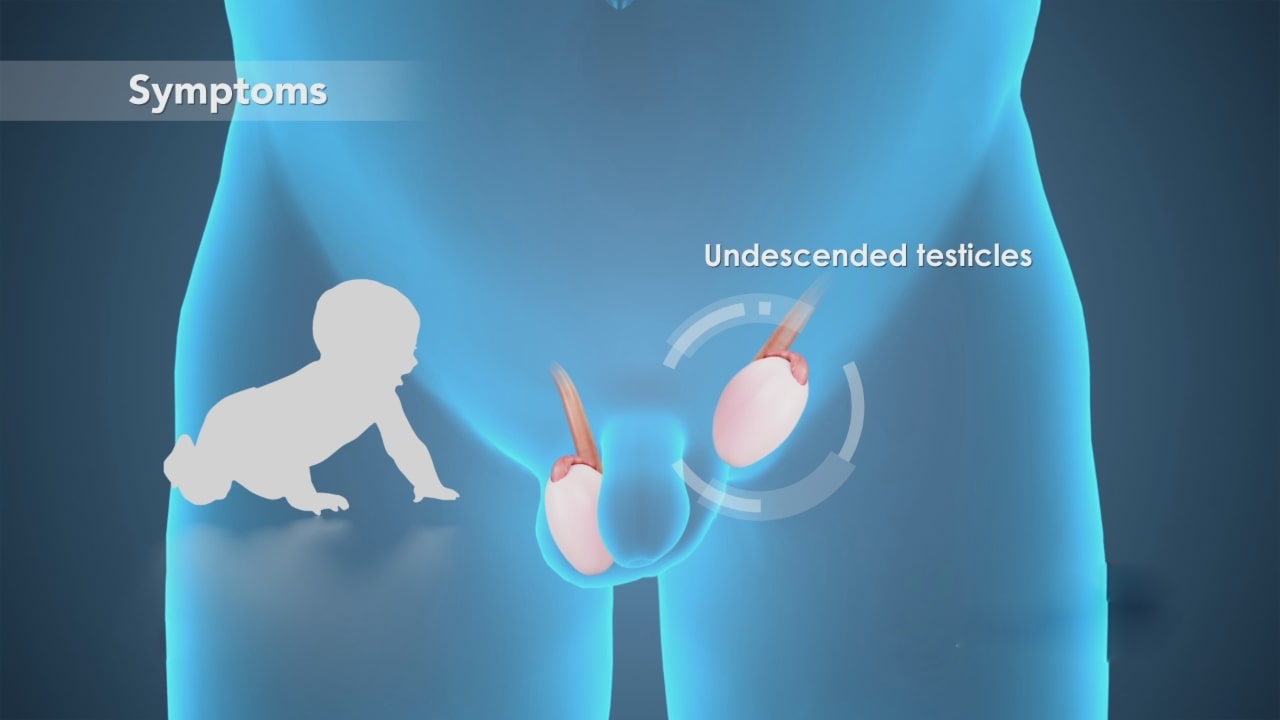
Undescended testis, medically known as cryptorchidism, is a condition where one or both testicles fail to move down into the scrotum before birth. It is one of the most common genital conditions seen in newborn boys. While some cases resolve naturally in the first few months of life, others require medical evaluation and surgical correction.
Expert care is provided by Dr. Antony Robert Charles, a senior pediatric surgeon with extensive experience in pediatric urology and reconstructive surgeries.
Why Does Undescended Testis Occur?
Before birth, the testicles develop inside the abdomen and gradually descend into the scrotum. If this descent is incomplete, the testis may remain in the abdomen or groin. Premature babies and low birth weight infants are more likely to have this condition.
Signs Parents May Notice
Parents or doctors may observe:
An empty or underdeveloped scrotum
One testicle not felt in the scrotum
Swelling or lump in the groin area
Routine newborn and pediatric examinations usually detect this condition early.
Why Early Treatment Is Important
If left untreated, an undescended testis can lead to:
Reduced fertility later in life
Increased risk of testicular cancer
Risk of hernia or testicular torsion
Psychological concerns as the child grows
Early treatment improves long-term outcomes and helps ensure normal development.
Treatment: Orchiopexy Surgery
Surgical correction, known as orchiopexy, is the standard treatment. The procedure involves moving the testis into the scrotum and securing it in place. It is usually recommended between 6 and 12 months of age if natural descent has not occurred.
Dr. Antony Robert Charles performs orchiopexy using precise pediatric surgical techniques to ensure safe placement and optimal development.
Recovery After Surgery
Orchiopexy is generally a safe and effective procedure. Most children go home the same day or within 24 hours. Mild swelling or discomfort is normal and resolves quickly. Parents receive guidance on activity restrictions, wound care, and follow-up visits.
When Should You Consult a Pediatric Surgeon?
Seek medical evaluation if:
Your baby’s scrotum appears empty
One testicle cannot be felt
Swelling or lump is noticed in the groin
Early consultation helps ensure timely treatment and better long-term health.
Expert Pediatric Urological Care
With extensive experience in pediatric surgical and urological conditions, Dr. Antony Robert Charles provides gentle, precise treatment for children with undescended testis. His child-centered approach ensures comfort, safety, and reassurance for families.
Book a Consultation
If you have concerns about your child’s testicular development, early expert evaluation is important.
Schedule an appointment with Dr. Antony Robert Charles for specialized pediatric surgical care.
Undescended Testis Treatment in Koramangala
Lorem ipsum dolor sit amet, consectetur adipiscing elit. Ut elit tellus, luctus nec ullamcorper mattis, pulvinar dapibus leo.
Frequently Asked Questions:
An undescended testis is a condition where one or both testicles do not move into the scrotum before birth.
Treatment is usually recommended between 6 months to 1 year of age to ensure proper development and reduce future complications.
Yes, a surgical procedure called orchiopexy is performed to place the testis into the scrotum safely.
Yes, it is a safe and effective procedure when performed by an experienced pediatric surgeon using modern techniques.
If left untreated, it may lead to infertility, hernia, or an increased risk of testicular cancer later in life.
Other Services
Expert Hands. Compassionate Heart.
Meet Dr. Antony Robert Charles, delivering safe, advanced, and child-focused surgical care with experience and dedication.

Expert Care for Your Child Starts Here
Book a consultation with our pediatric surgery team for safe, compassionate, and specialised surgical care tailored to your child’s needs.
We’re Here for Your Child’s Care
Reach out to our pediatric surgery team for appointments, guidance, or any questions about your child’s health and treatment.