What Are Congenital Birth Defects?
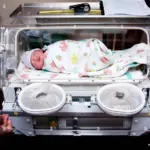
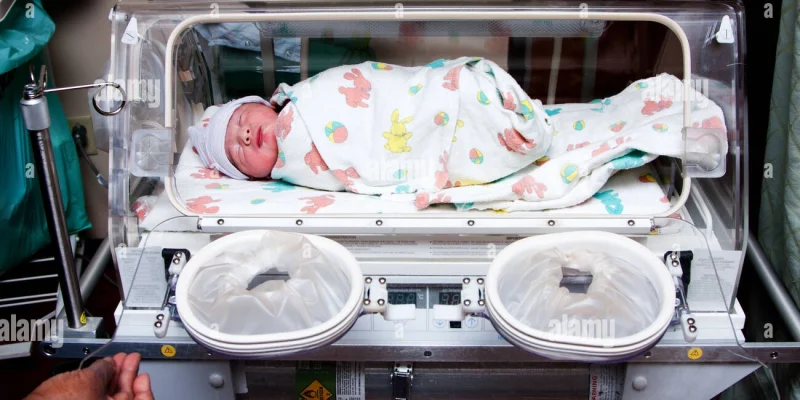
Congenital birth defects are structural or functional abnormalities that a baby is born with. They form while the baby is still developing in the womb, though not all of them are visible or detectable before delivery.
Some are minor and need no treatment. Others affect vital organs like the food pipe, lungs, intestines, or abdominal wall, and need timely correction. For families facing this news, it can feel overwhelming — but most congenital anomalies in newborns are treatable with modern neonatal surgical care.
Why Some Congenital Anomalies Are Detected Only After Birth
Not every birth defect shows up on a prenatal scan. Some conditions are simply too subtle to see on ultrasound, especially in the early weeks of pregnancy. Others only become apparent once the baby starts breathing, feeding, or passing stool on their own.
For example, a baby may look completely normal at birth, but within hours start showing signs of a blocked intestine once feeding begins. This is one of the main reasons doctors closely observe every newborn in the first few days of life.
Prenatal Diagnosis vs. Postnatal Diagnosis
Understanding the difference between defects found before and after birth helps parents know what to expect.
Prenatal Diagnosis vs. Postnatal Diagnosis Understanding the difference between defects found before and after birth helps parents know what to expect.
| Aspect | Diagnosed During Pregnancy | Diagnosed After Delivery |
| Detection method | Anomaly scan, fetal ultrasound, MRI | Physical exam, X-ray, symptoms after birth |
| Parent preparation | More time to plan delivery and surgery | Sudden diagnosis, quick decision-making needed |
| Common examples | Congenital diaphragmatic hernia, some cases of omphalocele | Hirschsprung disease, some intestinal atresias, undescended testes |
| Emotional impact | Time to process and ask questions | Immediate anxiety, need for fast reassurance |
Common Congenital Anomalies in Newborns Requiring Surgical Treatment
Below are the neonatal surgical conditions most often seen in newborns.
Tracheoesophageal Fistula (TEF) and Esophageal Atresia The food pipe doesn’t connect properly to the stomach, and may instead connect abnormally to the windpipe. Babies choke or cough during feeds and need urgent surgical repair.
Congenital Diaphragmatic Hernia (CDH) A hole in the diaphragm allows abdominal organs to move into the chest, compressing the lungs. This is one of the more serious congenital abdominal wall defects-adjacent conditions and often needs specialised NICU support before surgery.
Intestinal Atresia Part of the intestine fails to form a proper passage, causing a blockage that leads to vomiting and a swollen abdomen.
Hirschsprung Disease Nerve cells are missing in part of the bowel, so stool cannot pass normally. Babies may fail to pass their first stool (meconium) within 48 hours.
Anorectal Malformations (Imperforate Anus) The anal opening is absent, narrowed, or wrongly positioned, requiring surgical correction, sometimes in stages.
Omphalocele and Gastroschisis These are congenital abdominal wall defects where the intestines (and sometimes other organs) sit outside the abdomen at birth, covered by a membrane (omphalocele) or exposed directly (gastroschisis).
Congenital Lung Malformations Abnormal lung tissue that may cause breathing difficulty or repeated infections, sometimes needing surgical removal.
Congenital Hydrocele and Inguinal Hernia Fluid collection or a bulge in the groin/scrotum caused by an open passage from the abdomen; common and usually straightforward to fix.
Undescended Testes One or both testes haven’t moved into the scrotum by birth; surgery is usually recommended within the first year if they don’t descend on their own.
Neonatal Intestinal Obstruction A broad term covering several conditions above, all presenting with feeding difficulty, vomiting, and abdominal distension.
Symptoms Parents Should Watch For
Early recognition saves lives. Contact your paediatric team promptly if your baby shows:
| Symptom | Why It Matters |
| Difficulty feeding | May indicate blockage in the food pipe or gut |
| Vomiting, especially green/bilious vomiting | A red-flag sign of intestinal obstruction |
| Difficulty breathing | Could point to CDH or lung malformation |
| Excessive drooling | Classic sign of esophageal atresia |
| Failure to pass stool | May suggest Hirschsprung disease or anorectal malformation |
| Abdominal swelling | Often linked to bowel obstruction |
| Persistent vomiting | Should never be dismissed as “normal spit-up” |
| Poor weight gain | Sign the baby isn’t absorbing feeds properly |
| Fever | Can indicate infection needing urgent review |
| Cyanosis (bluish skin) | Medical emergency — call for help immediately |
| Lethargy | A subtle but serious warning sign |
Causes and Risk Factors
Most congenital anomalies in newborns don’t have one single cause. Known contributing factors include:
- Genetic factors passed down in families
- Chromosomal abnormalities (such as extra or missing chromosome material)
- Environmental influences during pregnancy
- Maternal infections in early pregnancy
- Maternal diabetes that isn’t well controlled
- Nutritional deficiencies, particularly folic acid
- Unknown causes — in many cases, no clear reason is ever found
It’s important for parents to know that these defects are rarely anyone’s “fault.” Guilt is a common but unnecessary emotion for families to carry.
Diagnosis After Birth
When a birth defect surgery baby case is suspected, doctors move quickly through a structured diagnostic process:
- Physical examination — the first and most important step
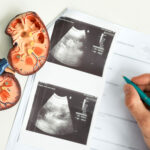
- Ultrasound — to look at abdominal organs, kidneys, and soft tissue
- X-ray — to check for bowel gas patterns, obstruction, or lung issues
- Echocardiography — when heart involvement is suspected
- MRI/CT scan — for detailed anatomical mapping in complex cases
- Contrast studies — to trace the path of the gut and confirm blockages
- Blood investigations — to assess infection, hydration, and organ function
This combination allows the surgical team to confirm the exact anomaly and plan the safest treatment path.
When Is It an Emergency?
Some neonatal surgical conditions need same-day or immediate surgery. These include bowel obstruction with bilious vomiting, suspected volvulus (twisted bowel), severe respiratory distress from CDH, and any sign of the bowel losing its blood supply.
Emergency Signs Green vomiting, a rapidly swelling abdomen, blue-tinged skin, or a baby who suddenly becomes unusually quiet and floppy are emergencies. Go to the nearest NICU-equipped hospital immediately.
Treatment Options and Neonatal Surgery
Once diagnosed, the team plans the safest route to correction. This depends on how urgent the condition is, the baby’s weight and stability, and whether other organs are involved.
How Surgery Is Planned Every case goes through pre-operative stabilisation, anaesthesia fitness assessment, and a clear discussion with parents about what to expect.
Surgical Safety Modern neonatal anaesthesia protocols are specifically designed for tiny patients, with continuous monitoring of oxygen levels, temperature, and heart rate throughout the procedure.
Minimally Invasive Techniques Where appropriate, laparoscopic (keyhole) approaches are used to reduce scarring and speed up recovery, though open surgery remains necessary for many complex congenital conditions.
Multidisciplinary Care Neonatologists, paediatric anaesthetists, NICU nurses, and the surgical team work together before, during, and after the operation — this teamwork is central to safe birth defect surgery baby outcomes.
Timing of Surgery Some conditions (like a diaphragmatic hernia) need medical stabilisation first and surgery later; others (like malrotation with volvulus) need surgery within hours. The right timing is a clinical judgment made case by case.
Recovery After Surgery
Newborn surgery recovery is a gradual, closely monitored process.
- NICU recovery — babies are monitored for temperature, breathing, and pain control immediately after surgery
- Feeding milestones — feeds are reintroduced slowly, starting with small volumes and building up as the gut heals
- Pain management — newborn-specific pain protocols keep babies comfortable without over-sedation
- Follow-up care — wound checks, growth tracking, and repeat scans as needed
- Growth monitoring — weight gain is tracked closely in the weeks after discharge
Hospital Stay Expectations Stay length varies by condition — a straightforward hernia repair may mean a short stay, while complex bowel surgery can mean several weeks of NICU care.
Long-Term Outcomes
The great majority of babies who undergo neonatal surgical conditions treatment go on to live full, healthy lives. Long-term follow-up typically covers:
- Normal growth and developmental milestones
- Monitoring for feeding or digestive issues into childhood
- Possible need for follow-up or staged surgeries in some conditions (like anorectal malformations)
- Regular check-ins to confirm the corrected organ is functioning well
- Support for overall quality of life, not just the surgical outcome
Left untreated, many of these conditions can lead to serious complications — infection, failure to thrive, or life-threatening bowel damage. Timely surgical correction dramatically changes this trajectory.
Common Mistakes Parents Should Avoid
- Delaying consultation when symptoms appear
- Ignoring persistent vomiting, assuming it’s “just colic”
- Delaying surgery out of fear, even when doctors advise urgency
- Depending on home remedies instead of medical evaluation
- Missing follow-up appointments after discharge
Myths vs. Facts
- Physical examination — the first and most important step
- Ultrasound — to look at abdominal organs, kidneys, and soft tissue
- X-ray — to check for bowel gas patterns, obstruction, or lung issues
- Echocardiography — when heart involvement is suspected
- MRI/CT scan — for detailed anatomical mapping in complex cases
- Contrast studies — to trace the path of the gut and confirm blockages
- Blood investigations — to assess infection, hydration, and organ function
When Is It an Emergency?
Some neonatal surgical conditions need same-day or immediate surgery. These include bowel obstruction with bilious vomiting, suspected volvulus (twisted bowel), severe respiratory distress from CDH, and any sign of the bowel losing its blood supply.
Emergency Signs Green vomiting, a rapidly swelling abdomen, blue-tinged skin, or a baby who suddenly becomes unusually quiet and floppy are emergencies. Go to the nearest NICU-equipped hospital immediately.
Treatment Options and Neonatal Surgery
Once diagnosed, the team plans the safest route to correction. This depends on how urgent the condition is, the baby’s weight and stability, and whether other organs are involved.
How Surgery Is Planned Every case goes through pre-operative stabilisation, anaesthesia fitness assessment, and a clear discussion with parents about what to expect.
Surgical Safety Modern neonatal anaesthesia protocols are specifically designed for tiny patients, with continuous monitoring of oxygen levels, temperature, and heart rate throughout the procedure.
Minimally Invasive Techniques Where appropriate, laparoscopic (keyhole) approaches are used to reduce scarring and speed up recovery, though open surgery remains necessary for many complex congenital conditions.
Multidisciplinary Care Neonatologists, paediatric anaesthetists, NICU nurses, and the surgical team work together before, during, and after the operation — this teamwork is central to safe birth defect surgery baby outcomes.
Timing of Surgery Some conditions (like a diaphragmatic hernia) need medical stabilisation first and surgery later; others (like malrotation with volvulus) need surgery within hours. The right timing is a clinical judgment made case by case.
Recovery After Surgery
Newborn surgery recovery is a gradual, closely monitored process.
- NICU recovery — babies are monitored for temperature, breathing, and pain control immediately after surgery
- Feeding milestones — feeds are reintroduced slowly, starting with small volumes and building up as the gut heals
- Pain management — newborn-specific pain protocols keep babies comfortable without over-sedation
- Follow-up care — wound checks, growth tracking, and repeat scans as needed
- Growth monitoring — weight gain is tracked closely in the weeks after discharge
Hospital Stay Expectations Stay length varies by condition — a straightforward hernia repair may mean a short stay, while complex bowel surgery can mean several weeks of NICU care.
Long-Term Outcomes
The great majority of babies who undergo neonatal surgical conditions treatment go on to live full, healthy lives. Long-term follow-up typically covers:
- Normal growth and developmental milestones
- Monitoring for feeding or digestive issues into childhood
- Possible need for follow-up or staged surgeries in some conditions (like anorectal malformations)
- Regular check-ins to confirm the corrected organ is functioning well
- Support for overall quality of life, not just the surgical outcome
Left untreated, many of these conditions can lead to serious complications — infection, failure to thrive, or life-threatening bowel damage. Timely surgical correction dramatically changes this trajectory.
Common Mistakes Parents Should Avoid
- Delaying consultation when symptoms appear
- Ignoring persistent vomiting, assuming it’s “just colic”
- Delaying surgery out of fear, even when doctors advise urgency
- Depending on home remedies instead of medical evaluation
- Missing follow-up appointments after discharge
Myths vs. Facts
Recovery After Surgery
Newborn surgery recovery is a gradual, closely monitored process.
- NICU recovery — babies are monitored for temperature, breathing, and pain control immediately after surgery
- Feeding milestones — feeds are reintroduced slowly, starting with small volumes and building up as the gut heals
- Pain management — newborn-specific pain protocols keep babies comfortable without over-sedation
- Follow-up care — wound checks, growth tracking, and repeat scans as needed
- Growth monitoring — weight gain is tracked closely in the weeks after discharge
Hospital Stay Expectations Stay length varies by condition — a straightforward hernia repair may mean a short stay, while complex bowel surgery can mean several weeks of NICU care.
Long-Term Outcomes
The great majority of babies who undergo neonatal surgical conditions treatment go on to live full, healthy lives. Long-term follow-up typically covers:
- Normal growth and developmental milestones
- Monitoring for feeding or digestive issues into childhood
- Possible need for follow-up or staged surgeries in some conditions (like anorectal malformations)
- Regular check-ins to confirm the corrected organ is functioning well
- Support for overall quality of life, not just the surgical outcome
Left untreated, many of these conditions can lead to serious complications — infection, failure to thrive, or life-threatening bowel damage. Timely surgical correction dramatically changes this trajectory.
Common Mistakes Parents Should Avoid
- Delaying consultation when symptoms appear
- Ignoring persistent vomiting, assuming it’s “just colic”
- Delaying surgery out of fear, even when doctors advise urgency
- Depending on home remedies instead of medical evaluation
- Missing follow-up appointments after discharge
Myths vs. Facts
- Normal growth and developmental milestones
- Monitoring for feeding or digestive issues into childhood
- Possible need for follow-up or staged surgeries in some conditions (like anorectal malformations)
- Regular check-ins to confirm the corrected organ is functioning well
- Support for overall quality of life, not just the surgical outcome
Common Mistakes Parents Should Avoid
- Delaying consultation when symptoms appear
- Ignoring persistent vomiting, assuming it’s “just colic”
- Delaying surgery out of fear, even when doctors advise urgency
- Depending on home remedies instead of medical evaluation
- Missing follow-up appointments after discharge
Myths vs. Facts
| Myth | Fact |
| Birth defects always mean lifelong disability | Many conditions are fully correctable with a single surgery |
| Surgery is unsafe for newborns | Modern neonatal anaesthesia and NICU protocols make surgery safe even for small babies |
| Babies are too small for surgery | Surgeons routinely operate on babies weighing under 2.5 kg |
| Birth defects always develop during delivery | Nearly all congenital defects form early in pregnancy, not during birth itself |
| Every congenital anomaly is detected before birth | Many conditions are only found after delivery, once symptoms appear |
| Recovery is always prolonged | Recovery time varies widely — many babies feed and go home within days |
Why Choose Dr. Antony Robert Charles
Families need a specialist they can trust with their newborn’s care. Dr. Antony Robert Charles brings focused expertise in:
- Neonatal surgery for time-critical conditions
- Pediatric surgery across a wide range of childhood conditions
- Minimally invasive surgical techniques where suitable
- Management of complex congenital anomalies in newborns
- Family-centred communication and counselling
- Access to advanced NICU and surgical facilities
Why Parents Across Bangalore Trust Dr. Antony Robert Charles
Families searching for a Neonatal Surgeon in Bangalore consistently look for clear communication, surgical precision, and compassionate follow-up — and this is central to how Dr. Antony Robert Charles works with every family.
Parents from Marathahalli, Whitefield, Koramangala, Hebbal, and Sarjapur Road regularly seek consultation for both prenatal counselling and urgent postnatal surgical care. Being centrally accessible across Bangalore, the practice supports families from across the city during what is often the most stressful period of their lives.
Frequently Asked Questions:
Frequently Asked Questions:
Frequently Asked Questions
They are structural or functional abnormalities present from early in a baby's development in the womb, ranging from minor conditions to those requiring neonatal surgery.
Some anomalies are too small to detect on prenatal ultrasound or become noticeable only after the baby begins feeding, breathing, or passing stool independently.
Common congenital anomalies include esophageal atresia, congenital diaphragmatic hernia, intestinal atresia, Hirschsprung disease, anorectal malformations, and abdominal wall defects like omphalocele and gastroschisis.
The timing depends on the condition. Some defects require emergency surgery within hours after birth, while others are scheduled after stabilisation.
Yes. Advances in neonatal anaesthesia, NICU care, and experienced pediatric surgical teams have made these procedures safe, even for premature and low-birth-weight babies.
Recovery depends on the condition. Some babies recover within a few days, while complex cases may require several weeks of specialised NICU care.
Not all birth defects are preventable. However, regular prenatal care, folic acid supplementation, and managing maternal health conditions can lower the risk of certain congenital abnormalities.
Prenatal scans identify many birth defects before delivery, allowing families and doctors to plan treatment. However, some conditions are diagnosed only after birth.
Conditions such as bowel obstruction with bilious vomiting, intestinal volvulus, and severe breathing distress from congenital diaphragmatic hernia usually require emergency surgery.
Consult a neonatal surgeon immediately if your newborn has feeding difficulties, green vomiting, breathing problems, abdominal swelling, or fails to pass stool within the first 48 hours after birth.